
Dr. Gail Brenner

Sacred Space for Awakened Living

TwitterYoutubeFacebookGoogle +
  • Home
  • About
    • About Gail
    • Start Here
    • Testimonials
    • Professional Bio
  • Read
    • Blog
    • Archives
    • Friday Inspiration Newsletters
    • Guest Posts
  • Watch
  • Listen
    • Downloadable Guided Meditations
    • Interviews
    • Calm Center Online Conversations—Recordings
  • Events
  • Work with Me
  • Books
    • Suffering Is Optional
    • At the Core of Every Heart
    • The End of Self-Help
    • The End of Self-Help—Guided Audio Meditations
  • Contact

What Old Baggage Are You Carrying Around? (and Is It Time to Let It Go?)

luggage2803_468x319

“There’s a light bulb in everyone
Bright enough to swallow the sun”
Songwriter Stuart Davis

I used to do a lot of meditation retreats – the hard ones where we would sit in silence for 10 days. When I signed up for the first one, I had no idea what I was in for.

I had been in psychotherapy on and off for years, but was still looking for relief from my inner suffering. Somehow I knew freedom from it was possible. I kept searching and found myself in the desert of California with the cactuses, lizards, and every feeling I had ever suppressed or ignored.

About the fifth day or so, the floodgates opened, as I literally cried nonstop for three days. Yes, it was painful, but so incredibly cleansing. Every emotion had the space to be. It felt like they had been waiting a thousand years to finally be invited out into the open. And they were having a field day.

By the end of the retreat, my whole inner world had transformed. I had released so much into the vastness of the desert sky: old stories, onerous feelings, confused beliefs. Talk about baggage, the chains were breaking so fast I couldn’t keep track. I left the desert feeling so much lighter. It was the beginning of true freedom that has continued to this day.

Even now, I occasionally become aware of some hidden remnant that draws me into an old reaction or thought pattern. And I happily shine the light on it so I am conscious enough to allow a different choice. Snip, snip…another piece of baggage left at the side of the road.

Identifying the Baggage

Although retreats can be very useful, they aren’t required to let go of the outdated baggage we carry around. In fact, all that is required is the willingness to see the truth, to air the dirty laundry packed up in those suitcases, to put the whole mess out onto the floor so it is no longer trapped inside of us.

So right now, in this moment, what baggage are you still carrying around?

Here are some possibilities:

  • A relationship with someone that you know in your heart of hearts has seen better days and is no longer serving you;
  • A grudge that keeps you from soaring;
  • A habit that somehow hooked you but doesn’t fit anymore.
  • A perspective or way of thinking that is confining, depleting, or just plain negative.
  • An identity as unworthy, meek, lacking, fearful, controlling, needy – a case of mistaken identity that masks the awesomeness of who you actually are.

How to Put it Down

You’ve identified your version of baggage? Great! Time for celebration! You have just completed the first essential step toward being free of it.

Second step: Whatever the trouble is, welcome it into your loving heart. Recognize that it showed up in your life to protect or help you. See that it’s job is done and the time has come to say goodbye. Ask yourself: Do I need it? Is it serving me? Is it time to put it down?

I recently spoke with someone who is working on eating a healthier diet. As we splayed open the problem, examining every aspect of her experience related to food, it became obvious that her unhealthy eating habits are a vestige of an old way of being. At one time, she felt her body had betrayed her, so she disconnected from it and stopped paying attention to how she was treating it. Now so beautifully welcoming to all of her inner experiences, unhealthy eating no longer fits. Where before food was a weapon, it is becoming a joyful feast.

Next step: Make the shift. When the old tendency arises, choose life. Walk away every time, and step into the possibility of a life unencumbered by old baggage.

Allow change to happen. It’s OK if you feel fearful or uncomfortable. As you let go of what is old and outmoded, you are making the space for something new to arise. This is the beginning of a life lived in freedom.

Everything New

After that first retreat, the world never looked quite the same to me. The inexorable process of shedding couldn’t be stopped. Investigating every habit, every limited identity, every reaction became a way of life that has revealed greater and greater depths of openness and possibility.

Subtract all of these tendencies, and discover what remains…ease…peace…wonder…love.

What baggage are you carrying around? Is it time to let it go? I’d love to hear….

How to Meditate

clouds“The moment one gives close attention to anything, even a blade of grass, it becomes a mysterious, awesome, indescribably magnificent world in itself. “Henry Miller
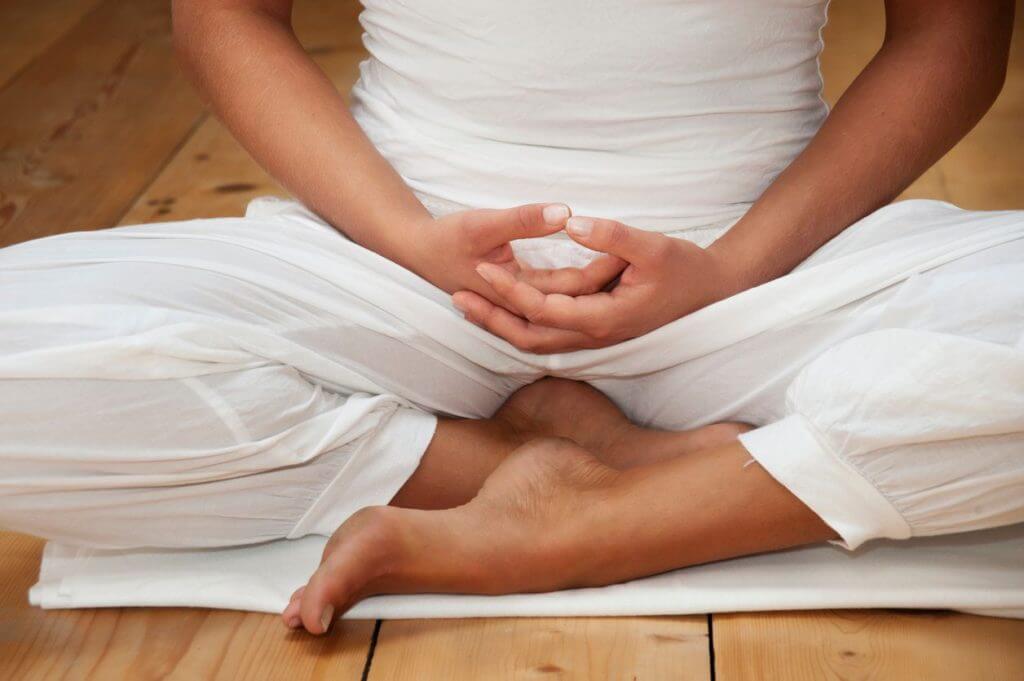

In the last post, we talked about the purpose of meditation. I mean the real purpose. Sure, meditation can lower blood pressure, improve sleeping, and help people cope with physical pain. These are not small benefits and are valid reasons to meditate.

The Role of Meditation

But if what we want is freedom from self-defeating habits of all kinds and the realization of enduring happiness and peace, the practice of meditation can be a huge support.

There is no law that says we must meditate or we must know ourselves. The choice is completely ours. Some people avoid it like the plague, and others simply aren’t interested. But for those lucky ones (you?) who want to be truly happy and cannot help but ask the big questions, meditation is a tool that helps to shed habits and realize freedom.

When we are under the influence of our habitual patterns, inner discovery is next to impossible. Take an alcoholic as an example. Could he possibly see what is driving his need to drink while sitting at the bar with a gin and tonic?

Substitute for “alcoholic,” procrastinator, commitment-phobe, overeater, or self-deprecator, and you will discover your version of avoidance. When we allow the momentum of our patterns to carry us, we are too involved to see how they actually operate.

Freedom Is Possible

Simply sitting in quiet on a regular basis becomes a refuge of sanity from the pressure of our habits. It provides the space for us to stop and see what we are actually experiencing. It is a step away from the endless hamster wheel.

We learn that thoughts are just thoughts, feelings just feelings, and that we don’t need to react. It is so amazing to see that we can feel angry or recognize a recurring story of woe in our minds and we don’t need to do anything. We are simply present.

This is the freedom that stopping makes possible. Our choice is this: we can stay blind to what motivates us and continue playing out habits, or we can stop, notice what we are thinking and feeling, and allow those experiences just to be present.

The How-To

Meditation is extremely simple – we sit quietly and allow everything to be as it is. Whatever we experience, we simply see it without doing anything to it. We might notice physical sensations, sounds, thoughts, or feelings that may be subtle or strong. We might notice urges to do something or tendencies to resist or avoid.

Our job in meditation is simply to be aware of these comings and goings without involving ourselves. We may feel the urge to move our attention in a given direction, but instead of acting on the urge, we stay still and allow it to unfold. That’s all there is to it.

You can think of yourself as the boundless sky. Clouds and weather pass through, but the sky is present, unmoving, unaffected.

For many of us what I am suggesting is easier said than done. The point of meditation is not to instigate a fight with what we experience. It is to be with what is. If avoidance or self-criticism appears, then that is the experience to receive in that moment. If you feel a fight brewing, then be with those feelings, thoughts, and body sensations.

When we meditate, we have a neutral, friendly attitude to everything that arises – the hard experiences as well as the mundane and blissful ones. Most of us wish to be accepted unconditionally by people. Meditation is the opportunity for us to be unconditionally accepting of ourselves, of every experience that arises in the moment. All are welcomed in the space of open awareness.

The Nuts and Bolts

Start to meditate by setting aside a few minutes for yourself. If the idea of meditating scares you, just try it for maybe five minutes, eventually working up to fifteen minutes or more. The idea is to be alert, awake, attentive, open, and receptive.

Settle your body into a comfortable sitting position, and close your eyes. Once you are settled so your body can be still, begin to pay attention to your breathing. This, alone, can be amazing. Simply track your inhale and exhale. Notice what happens around your nose, chest, back, and belly. All you are doing is noticing.

Another way to start is to open to sounds. Let your awareness be receptive to any sounds that appear, close or far. Be the still point in the center, and allow the sounds to come to you.

After a minute or so, let go of paying attention to the breathing or hearing sounds, and open your attention completely to everything that arises. You might notice thoughts, feelings, and sensations in your body. Just be a loving presence.

Thinking Is Not a Problem

At some point, you are likely to notice that you have gotten caught up in thinking about something. This is completely natural, and not a problem. When you realize you have been lost, simply shift your attention back to the space that receives everything.

This may happen thousands of times, if not more. Still not a problem. Each time, gently return to loving awareness. This is the movement to presence that stems the momentum of playing out habits unconsciously. This momentum is highly conditioned, so it takes some time to soften. Be kind with yourself.

One of the misunderstandings about meditation is that the goal is to stop thinking. You will realize that this is impossible. Thinking may stop, but it happens on its own and not because you are doing anything to make it stop. Thinking is part of experience, and all experiences are welcomed unconditionally.

No Goal

The goal is not to get anywhere or accomplish any particular state, including states of rapture or bliss. The “goal” is simply to be with what is. Be awake to the ordinary, everything as it is.

Meditation serves as long as it is needed. Some people have been meditating daily for decades and for others the practice comes and goes. There is no assignment or “should” about it. If you feel moved to meditate, then enjoy. If not, life will bring you exactly what you need in some other form. If you are aware of avoiding meditation out of fear, you may consider examining your resistance.

In the ultimate state of awakeness, meditation is the enduring way of being. Even the concept of the meditator falls away, and all that exists is pure awareness. Thoughts and emotions may come and go, but awareness, you, remains untouched. This is what Adyashanti calls true meditation.

If you haven’t meditated before, give it a try. I’d love to hear how it goes. If you are a seasoned practitioner, feel free to share your experiences. Any questions are always welcome and will help everyone.

Next post: guided audio with a period of silence to support welcoming your own experience in meditation.

image credit: twoblueday

Meditation Is a Gift to Yourself

Note: You may want to check out the interview with me on Armen Shirvanian’s blog, Timeless Information. He posed some great questions that I enjoyed responding to.

“The cave you fear to enter holds the treasure you seek.”
Joseph Campbell

As I look back, I can see that meditation saved me. Before I started meditating, I had had many years of therapy, but somehow I still wasn’t happy. It was 1995 (ages ago!). I had been reading about Buddhism for a year, but was avoiding meditation like a peeping tom avoids knocking on the door. I was curious and interested, but was too scared to actually sit in silence with myself.

I finally bit the bullet, and the true healing began.

Why Meditate

The beauty of meditation is that we intentionally stop the momentum of our patterns so we can see what we are really experiencing. When we unconsciously play out our habits and addictions day after day, year after year, nothing changes. We may try to modify our thoughts or analyze our childhoods, but the root of the problem still exists.

Meditation is the dam on the rushing river that allows us to discover what the swirls and eddies are all about. It puts an end to avoidance and rationalizing, and invites us to directly investigate our actual experiences in the moment and come to peace with them.

Sitting in quiet offers the possibility of deconstructing our habits. Over time, we begin to see that we run the same boring stories through our minds or that our bodies are wrought with tension that we never noticed before. These illuminating observations are almost impossible when we are traveling through our lives at warp speed.

How It Works

Say that you have a tendency to snack mindlessly at night. Most people would agree that this kind of eating is about dodging emotions rather than assuaging hunger. In meditation, you stop acting on the momentum of this pattern. You feel the urge to snack, but make the choice to explore your inner experiences instead.

Here is where a whole new world opens up! It might be uncomfortable, but you finally see the feeling of fear or lack that has been driving you. A behavior as seemingly mundane as snacking can lead you to a deep understanding of your most basic belief systems and world views.

And when all of this is allowed space to be in meditation – specific emotions, contractions in the body, churning thoughts – you are able to make a conscious choice about what you want to do. You learn that these driving forces can be a part of your experience, and you can refrain from acting on them. This is true freedom.

The Secret Treasure

As these identities and habits begin to fall away, the ultimate secret treasure of meditation is revealed. We discover that in between the stories and emotions is space. When we explore the space, we see that it is clear, alive, shining, and expansive.

And it is steady and enduring. We see that our experiences come and go, but this aliveness is always here. This is the space of the unconditioned, prior to any learning. It is obscured by our busy minds, but completely available to be discovered. Here is sanity and peace.

Have you ever had the experience of intense well-being come over you for no reason or an insight that the objects of the world are not real or your heart so filled with love that it is impossible to contain in your physical body? This is the unconditioned, pure consciousness, always present.

And if you haven’t had these experiences, no cause to be concerned. Once you commit to self-discovery, the identities that you take to be you will eventually begin to shed, and glimpses of this essence, your true nature, will be available.

Sitting quietly is a refuge, and offers an incredible opportunity that brings us back to ourselves. The next post will offer the how-to of meditation. I welcome any questions and would love to hear about your experiences with meditating.

“If you could only keep quiet, clear of memories and expectations, you would be able to discern the beautiful pattern of events. It is your restlessness that causes chaos.”
Nisargadatta

Lessons from My Time in Prison

“When I hear somebody sigh, ‘Life is hard,’ I am always tempted to ask, ‘Compared to what?'”
Sydney J. Harris

I know, it’s a dramatic title, but it’s been an interesting few days. From nowhere, a cloud has appeared, and I find myself stuck – imprisoned by my habits. Old mental tendencies have surfaced, and I am moody and negative.

Enduring happiness? Absolutely possible, I know, but right now it feels covered over by a film of sadness and disconnection. Or does it? Even as I write this, my experience is changing, with clarity reemerging.

Life is so generous – it has brought me another tremendous opportunity for learning how unhappiness works. It’s time to take my own advice. As my partner told me, “You have all the tools and understanding. If anyone can find their way out, you can.”

All the signs are there: I feel like a victim of circumstances and other people. I feel powerless. I am sad and irritable. Sounds like being stuck in a pattern to me.

The funny thing is that when I look with clear vision, nothing has changed. No momentous events have happened. I haven’t been broken up with or diagnosed with cancer or excommunicated from the human race.

The only thing that has changed is the thoughts in my mind. Yes, it’s true – it’s all in my head. I say that not to dismiss my experience, but to point the way to the way out.

I love how life has a sense of humor. How ironic – and humbling – that this reaction descends just as I have completed the series of posts on Freedom from the Prison of Your Habits. Well, I guess I have more to say, so here, from the trenches, is what I am discovering about opening the prison door.

Not taking responsibility = Stuck

I’ve said this before, but it bears repeating. Sanity requires us to take responsibility for our own reactions. The thoughts of blaming others and “if only” fantasizing may be incredibly powerful. They run through our minds like a command of soldiers on a mission compelling us to do what? Actually, nothing. If these thoughts are in control, we are standing firmly in a belief system that is waiting for everyone and everything else to change. This gets us nowhere.

The world is not going to give you everything you want on a silver platter. No matter how forceful the habitual thoughts that beckon us to look outside ourselves for happiness, the wisest part of us knows that we need to look within.

In the past few days, I have repeatedly turned my attention away from the dead end thoughts and inward to investigate what is actually true. The thoughts kept grabbing me, and I kept returning within…over and over.

Get the right support

No one is coming to save you. The journey to peace is yours and yours alone. Certainly, get help if you need it, but do it wisely.

Support from others can be either medicine or poison, as one of my teachers describes it. Here is the poison: sitting on the phone telling the story of your woes and justifying your positions ad nauseum. If you are speaking with someone who completely agrees with your distorted way of thinking, you will stay stuck.

And here is the medicine: speaking with someone who is clearer than you in that moment and won’t buy into the negative misleading thoughts. It might be a therapist or mentor or friend you respect. This person will gently challenge you and offer an evenhanded perspective that brings clarity to your confused mind.

During my days of captivity, I spoke to two very sympathetic friends. I loved that they understood my point of view. But it wasn’t until I had a conversation with someone else, who was brutally honest about what he saw, that things began to shift. What made this work is that I was at least a little open (i.e., not defensive) to hearing what he had to say.

Be aware of your inner experience

On this blog, I speak a lot about investigating thoughts and welcoming emotions. I did follow my own advice during this time. It was sometimes difficult to be with painful feelings without the story starting up, but I did my best. It felt much more sane to allow the sadness and irritation to be, to feel them in my body, than to let the story run. Although I could justify the stories, I eventually found them to be lifeless and distracting.

And I was reminded that becoming familiar with what I was experiencing does not necessarily mean that my experiences would dissolve. Becoming aware of what is true in our experience has no goal. It is simply being with what is.

Of course you want to feel better. What I found is that the tools I used helped, but ultimately things shifted in their own time. I did all the preparations, but the actual letting go was not something I personally controlled.

I don’t have a strong inner critic, so there wasn’t a lot of self-judgment happening. In a certain sense, I was going with the flow. But if you tend to self-criticize, realize that there is another layer of thought that may be disorienting you.

You don’t always get what you want

A few days into this whirlwind, I got to the core of the problem: what I want vs. what I am given. I was caught in wanting people around me to be a certain way and to want certain events to happen that weren’t happening. My mind got very detailed about what it did and did not want.

When I looked at reality, I really saw: people are the way they are and the events I was waiting for were not occurring. I didn’t have any control to make anything different. Somehow this insight penetrated the insanity, and the dust began to clear.

Here are the choices I considered: change the situation, leave it, or realize that the problem is in how I was thinking about it. I did what I could reasonably do to change the situation, and I chose not to leave. What remained, then, was the task of coming to peace with things as they are. This sounds like a great idea, but it is only helpful if it lands and you experience an inner letting go.

Take care of yourself

It was no secret that I was having a hard time, so I did a number of things that helped to ease the pain. I didn’t force myself to work more than I wanted to. I went to a party I wasn’t too keen on, but ended up having a good time. I didn’t blow my diet or drink too much alcohol. I kept up with yoga and relatively normal hours of sleeping. And I knew my sympathetic friends were on call if I needed a little TLC.

One of the good things about hard times is that you get to be really nice to yourself. Think of it like a sick day. Take a rest, watch a movie, be out in nature, get support. Don’t coddle yourself to the point of reinforcing the drama, but take care of your body and enjoy yourself a little.

The cloud moves on

The clouds are parting, and the sun is shining once again. I am very grateful for this experience because, when I think about it, I have learned so much: avoiding pain perpetuates it ; negative thoughts with lots of energy behind them are misguided; even though you deeply know peace and happiness, delusion happens; there is definitely light at the end of the tunnel.

I feel sane again…open, happy, loving, clear, expansive. And nothing has changed, but my mind! The veils have fallen away, and the boundaries are dissolving. All I can say is “thank you” – for every single moment of it.

How do you fare when you find yourself stuck? Any insights you’d like to add?

image credit: NicholasT

Freedom from the Prison of Your Habits #5: Feeling the Body

tai chi - posture kick with right heel“Few of us have lost our minds, but most of us have long ago lost our bodies.”
Ken Wilbur

This post marks the fifth and last in the series Freedom from the Prison of Your Habits. The previous posts are:

  • Part 1: How Habits Develop
  • Part 2: Identifying Habits
  • Part 3: Examining Thoughts
  • Part 4: Letting Emotions Surface

Here we bring our attention into the body, a place few of us know very well. Yet the body contains the residue of all our learning, all experiences, traumas, fears, conditioning. Whereas our minds may defend and avoid, our bodies are simple, reactive, and all-knowing. They have been present our entire lives absorbing the effects of our experiences.

Habits invariably show up as contractions in the body. In our natural state, prior to any conditioning, our bodies are open vessels through which our individual life stream is expressed. You can see it in infants who move with such openness and flexibility.

As we experience physical, mental, and emotional demands in life, stress takes its toll and the body begins to close down. These bodily contractions act like a defensive shield, armoring us to meet the challenges we face in the world. Presence is the peacemaker.

How to Be Aware of the Body

The final step to fully exploring a habit is to bring attention to the specific experiences in the body that accompany the habit. The method is simple: become aware of the body. Begin at the top of the head, at the toes, or at the strongest physical sensation. Be like a laser to discover all the tiny tensions, contractions, vibrations, and flutterings everywhere.

Make space for whatever you notice, allow it to be as it is, then micro-observe into the sensation even deeper to uncover layers of ancient holding. I guarantee you will be surprised at what you find. To paraphrase songwriter John Mayer, your body is an absolute wonderland.

Whether sensations change, release, strengthen, or disappear is out of your control. There is no goal other than welcoming experiences as they are. This is “being with” and “allowing,” not doing. These sensations are, they exist. You are simply making space to receive them in your awareness.

As you do, you are lighting up the hidden areas of your being. If each of these sensations had a voice, what would they be saying? Maybe they would be expressing terror, despair, frustration, or rage. By opening your heart to them and inviting them into conscious awareness, you are allowing them to speak in their own unique way. And in the seeing of them without resistance, there is peace. Fragments are embraced, and we are revealed as whole once again.

If you carry on observing physical sensations directly, you will eventually experience a release. Some people laugh, some sob, some go quiet, some jerk or vibrate. Breathing may change. You might feel a physical weight lifting off you. You may need less sleep for a while. Energy is being released, and you are reclaiming the natural state of openness, unimpeded joy, and deep relaxation.

Practices for Body Awareness

Since most of us are relatively unfamiliar with our physical selves, practices that support body awareness can be very useful – and enjoyable.

Conscious breathing

“When you inhale, you are taking the strength from God.
When you exhale, it represents the service you are giving to the world.”
Yoga master B.K.S. Iyengar

One of the wonders of life in this body is the regularity of our breathing. Simply bring your attention to the specifics of breathing – the inhale and the exhale. The breath affects so much more than the chest and lungs. Discover the ripple effects of the breath in all parts of the body…just being curious about how the breath moves.

You might notice you feel more relaxed as you pay attention to your breathing, and the breath itself might shift in some way. Simply continue to be aware of every sensation.

Conscious breathing is a gateway to intentionally relaxing the body. This practice can help you to discover and release habits held in the body.  After a few minutes of noticing the breath, begin to deepen the breathing. Relax the belly as you exhale completely, then see how the inhale expands the chest and ribs and opens the upper back. Taking a few deep breaths, filling and emptying the lungs, brings presence into previously hidden areas of the body. The flow of oxygen calms the nervous system and releases muscular tension.

Gratitude practice for the body

Considering what you are grateful for is a beautiful heart-opening practice. You might consider including gratitude for the functions of the body. When we investigate the body, we become aware of an amazing, relentless propensity for life.

So much of what it takes to be alive in the body happens automatically – breathing, digestion, filtering toxins, renewing cells, fighting disease. You might take some time to bring your attention to the organs – heart, brain, kidneys, spleen, liver, colon, stomach – and inner workings of the body that work so hard to support life. As you become aware of each one, open your heart with gratitude and appreciation.

Movement practices

Most of you don’t know me personally, but those who do know that yoga is my thing. I’ve been practicing for 11 years, and to me, the experience of yoga is endlessly fascinating. Movement practices such as yoga, tai chi, chigong and others bring awareness to the body and promote presence by synchronizing movement with breathing. They invite the attention into the here-and-now by ignoring mind chatter and focusing directly on the arisings in the moment.

My lovely friend Ellen offers a practice you can stream on video called The Body of Presence. (Click on “yoga,” then “Body of Presence.”) She has a beautiful way of allowing movement to illuminate how habits are held in the body and giving space for them to dissolve naturally.

Movement practices also teach us how to be present in daily life. Moving into a yoga posture is no different from washing the dishes, taking a walk, dancing, etc.

Conclusion: Freedom From the Prison of Your Habits

This marks the end of the series on Freedom from the Prison of Your Habits. The key to the prison door is awareness. If what you want is to know happiness intimately, to reclaim the peace that is your true nature, unlock the door by deeply exploring your thoughts, feelings, and bodily sensations. As each layer of experience is seen, the tendency to replay the habit softens.

The urge to enact the habit may occur, but your awareness is so revealing, your understanding so clear, that you choose a different way of responding. This may not happen the first time you turn your attention inward and away from the habit, but I promise you that as you continue to be aware of your experience in the moment, the momentum of the habit will diminish.

Every moment of awareness is cause for celebration. We all have direct knowledge of moments of the unconditioned – unexplained bliss, a suddenly quiet mind, tears of gratitude and tenderness, bubbling joy, a deep sense of peace and well being, a heart bursting open.

As we bring awareness to the experiences of conditioning, they are seen not as obstacles, but as invitations into presence. As reality is seen directly, in truth, as it is, the radiance of our true nature shines brilliantly.

« Previous Page
Next Page »

Blog Archives

Recent Posts

07.19.22

Too Much Thinking? Four Insights to Guide You to Freedom

07.07.22

A Compassionate Guide to Forgiving Yourself

06.26.22

Slowing It Down

Too Much Thinking? Four Insights to Guide You to Freedom

“Don’t wait for your mind to be quiet.” ~Mooji "All the things that truly ...Read More

A Compassionate Guide to Forgiving Yourself

“You yourself, as much as anybody in the entire universe, deserve your love and ...Read More

Slowing It Down

“When we slow down, quiet the mind, and allow ourselves to feel hungry for ...Read More

  • Home
  • About
  • Read
  • Watch
  • Listen
  • Events
  • Media
  • Contact
  • Privacy Policy

My Name, All Rights Reserved

Website by Web Savvy Marketing