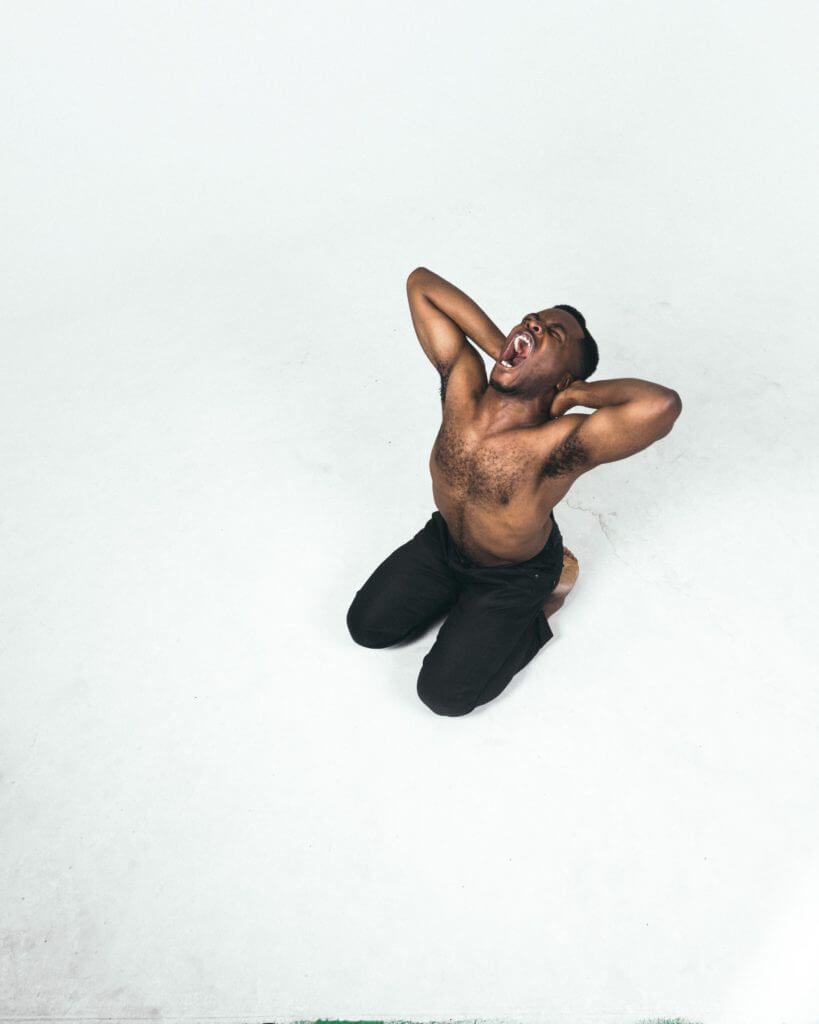
 “Fear is the cheapest room in the house. I would like to see you living in better conditions.”
Hafiz
In this series, we learned how habits develop and markers to identify them. The previous post explained the wisdom of exploring our habits, beginning with thoughts and beliefs. Now we address the world of emotions.
A normal human tendency is to seek pleasure and avoid pain. But this inclination does not always serve us, especially if what we are avoiding is the underlying driver of our habits. Unexplored emotions fuel habits, so to know our habits fully means discovering these emotions and welcoming them in like a long-lost child.
Fear of pain causes us to evade our feelings. And freedom asks us to meet them directly, to move out of our comfort zone, to courageously awaken to our actual experience of them.
As one of my teachers, Gangaji, once said, “Pain is just pain.” When we fear pain, we stay imprisoned; when we are willing to tell the truth about our experience, release is possible.
Meeting emotions directly means doing so without the story about them. If we continue to tell ourselves the story of the feeling – why it is present, who is at fault, what needs to change for it to subside (“if only…”) – then the feeling will persist.
We see the feeling directly, not by thinking about it, but by investigating what it actually is. As you bring your attention to a feeling, recognize any expectations or beliefs you might have about it. Investigate these thoughts as suggested in Part 3 – Examining Thoughts, then receive the feeling as it appears.
As you meet feelings, you become familiar with them like a new friend, or an old one you haven’t seen in quite a while. Open your heart to the part of you that is hurting. It has gone into hiding because it has not felt safe to emerge. It has been driving you into habits that don’t serve you. Create a safe and loving space where your innermost emotions are welcomed.
Say you feel rageful when someone ignores you. The story about the feeling is composed of thoughts: John ignored me, he shouldn’t have done that, I’m furious at him, I’m going to give him a piece of my mind. This is all story, thoughts which have a constrained view of the world, as your investigation will reveal.
The feeling is the rage itself. Move your attention directly into it and be curious about what you find – burning, heat, tension, a feeling of being ready to explode. I know this is uncomfortable, but allow the space for these experiences to be. They may become more or less intense or change entirely. Continue to be open and inquisitive.
Do this with any feeling – terror, rage, grief…
I have sat with intense feelings many, many times, and I live to speak about it. When you finally turn your attention into the heart of your emotions, something wondrous happens. You realize that what you have been escaping is merely energy and sensations in your body. This is freedom! The thoughts are seen to be untrue, and the feelings are physical perceptions. This is all that is happening.
Let’s take another example – someone who procrastinates. The story is: I don’t feel like doing anything, I’m going to fail anyway, I’d rather sit around and eat chips, I’m too tired, it’s too much work. Now what is the feeling directly? Maybe you will see sadness or fear. What is sadness actually like – or fear – in your actual experience in the moment?
Sometimes the feeling that is present is fear of welcoming feelings. Sometimes the most prominent experience is resistance – a hearty “No!” to this whole process. All of these emotions are there to be met in your loving attention. Be genuinely curious and open-hearted; cultivate an attitude of wonder, like you are encountering an object you have never seen before that you want to deeply understand.
Once we are willing to investigate our habits, the inner world of truth and reality opens up. We do not have to “try” to make our habits dissolve. Under the scrutiny of deep love and gentle truth-telling, they just cannot hold up any longer.
How does behavior actually change? By being aware in the moment of what is happening and considering a different choice. The previously rigid habit now has some space. Maybe the rageful one will see that John is not the right friend for her or the procrastinator will decide to look more deeply into the world view of the sadness to see the truth of what has been weighing him down.
The careful examination of thoughts and emotions is the gateway to freedom from them. When they are seen for what they are, we are no longer triggered to blindly fall into the habit. It dissipates on its own, with awareness as the catalyst. Over time, we are unlocked from the identity the habit provided us.
It’s like outgrowing a coat that has been too tight for a while. When we take it off, we realize space, freedom, release. And as habits let go of us, the natural, unconditioned state has an aperture for expression. It may be just a crack to begin, but you effortlessly realize moments of happiness, love, lightness, well being, relaxation.
The final step on the pathless path to the freedom that is always here is to examine physical sensations. The body holds an intelligence that cannot be denied. It is the repository of all learning – including that which occurred before we had the capacity for language. In the next post, we will unearth the treasures contained in the body in the service of the ultimate peace and freedom.
What is your experience with emotional habits? Do you avoid some emotions? What happens when you see them directly?


 I used to be very rebellious, and it got me into some trouble. In the name of freedom, I felt like I could do whatever I wanted without restriction, and I certainly didn’t want my autonomy compromised by someone else’s rules. (Just ask my parents.) Truth be told, my willful behavior did not make me happy. It was defiant and resistive and kept me from getting what I really wanted in some important areas of my life. I am so thankful that I finally discovered the wisdom of restraint, the simple practice of stopping that has paved the way for more freedom than I ever thought was possible.
